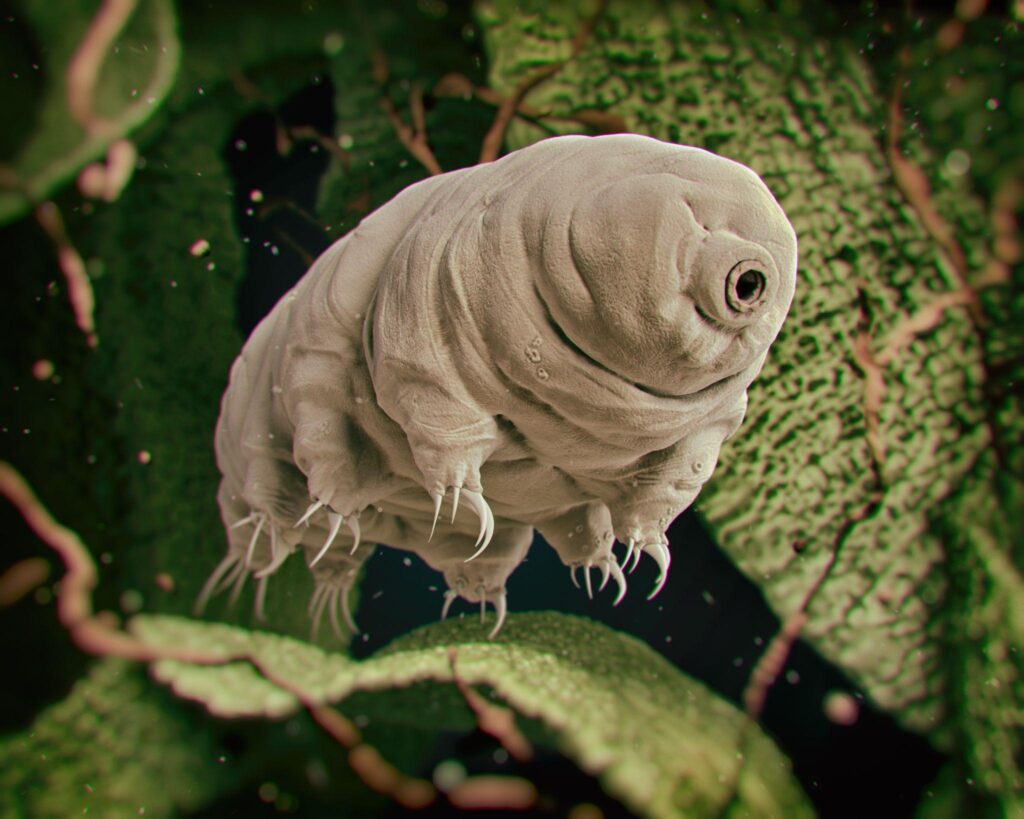
Little critters known as extremophiles can live in all sorts of temperatures and environments! Most live in the ocean at extremely low or really high temperatures, and they all have fascinating abilities that allow them to survive extreme conditions. Ready to meet some of them? Let’s go!
Antarctic Krill
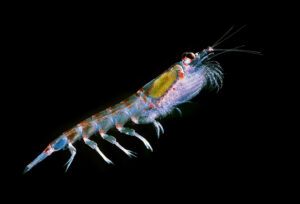
There are a whole lot of these little guys! There are 700 trillion Antarctic Krill, and all of them put end to end would wrap around the earth a million times. They grow up to 6 cm long and can glow in the dark! With the ability to regress from adult to juvenile, then back to adult, they could theoretically live forever.
What’s so extreme about them? They can survive up to 200 days of starvation! Speaking of eating, they eat smaller organisms like phytoplankton. Antarctic Krill are the center of the food web in the southern oceans, so they are a main source of food for many other animals. One Crabeater Seal can eat 11,000 a day, while a blue whale depends on krill, and it is estimated that they eat 3.6 million a day!
Escherichia Coli
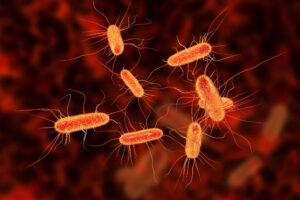
Krill may be small, but many extremophiles are even smaller! One example is a microscopic bacteria called Escherichia Coli (E. coli). They are a group of bacteria that live in a healthy, warm-blooded mammal’s gut (that includes yours!), and they actually belong there! They digest food and produce vitamins while protecting you from harmful germs. But, some strains can make you very sick if they aren’t where they belong, which can happen through contaminated foods and water or through contact with animals or the feces of an infected person. What’s extreme about E. coli? Could you live in the digestive system of a human or animal? Didn’t think so.
Yeti Crab
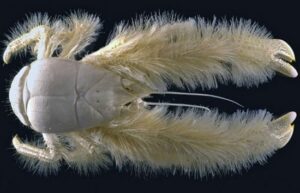
Named after the yeti of the Himalayas, this blind, hairy, white, less than six-inch-long creature lives under extreme pressure at the bottom of the ocean near hydrothermal vents. What’s a hydrothermal vent? It’s a place where heated rock meets water and will create smoke. The vents are extremely hot, so the yeti crabs stay close, but if they get too close they will be cooked. If they go too far away, though, they’ll freeze.
Giant Tubeworm
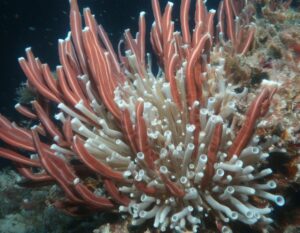
With no mouth, gut, anus, or anything to do with the digestive system whatsoever, how do Giant Tubeworm adults get energy? Their energy comes from bacteria that they share a symbiotic relationship with. They grow extremely fast. Three feet in a year and a half is faster than any known animal on this planet. Unlike most extremophiles, they can get pretty big, up to 6.6 feet!
Tubeworms live near hydrothermal vents (like Mr. Yeti Crab) and need them to survive. Starting out as larvae, they swim around for up to a month and then land near a vent. The larvae colonize that new vent and start a new colony. See the red thing at the top? Those are the gills that retract into the white tube if attacked by a predator. Now you know how it gets its name!
Pompeii worm
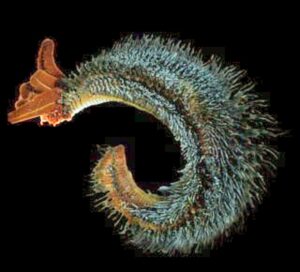
The Pompeii worm is yet another hydrothermal vent creature! This one moves between hot and cool water to stay alive. It survives at the highest temperature of almost any known creature ever at 221 degrees Fahrenheit, but it doesn’t do it on its own! A fleece-like bacteria layer covers it to protect this little guy.
Petroleum Fly
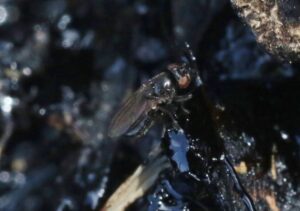
The larvae of this fly live in tar pits, making it the only animal to do so. It eats other bugs that get caught in the oil to survive, and drinks the tar to get some more food from the bugs and animals that have died and decomposed there. It is just fine living in petroleum oil that can get up to 100℉, making it an extremophile for sure!
Antarctic Icefish

The Antarctic Icefish lives in the freezing conditions of the Antarctic Ocean, so they have antifreeze proteins in their body. They also have no red blood cells or hemoglobin, making their blood see-through! Their hearts and gill blood vessels are larger to help compensate for the lack of oxygen in their blood.
Tardigrade
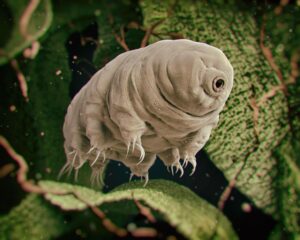
Also known as the water bear, tardigrades are the most famous of the extremophiles. They can survive extreme cold, extreme dryness, and deadly chemicals. They do it by going into a state of suspended animation called a tun, allowing them to live a really long time without suffering injury. In their tun mode, water bears can’t move at all; it’s almost like cryosleep from sci-fi movies. They can stay like that for as long as need be, and (excluding the tun stage) they live a few months to 2 years, depending on the species of tardigrade.
In one experiment, they survived in a vacuum for eight days, then were put in helium gas for three days, then in a room at -458 degrees Fahrenheit, and when brought back to room temperature, were perfectly fine! Water bears only have one weakness: extreme heat. Interestingly, they cannot live in extreme heat. Many will die when it’s just 99℉ even though they can live in almost every other extreme condition! However, they can briefly survive temperatures up to 300℉ when in the tun state. Here’s an image of one in tun below.

So there you have it! Eight examples of creatures that can live in the most extreme conditions. Be sure to clean your teeth and come in for your dental appointments or even these guys might not be able to survive in your mouth! We look forward to seeing you soon!