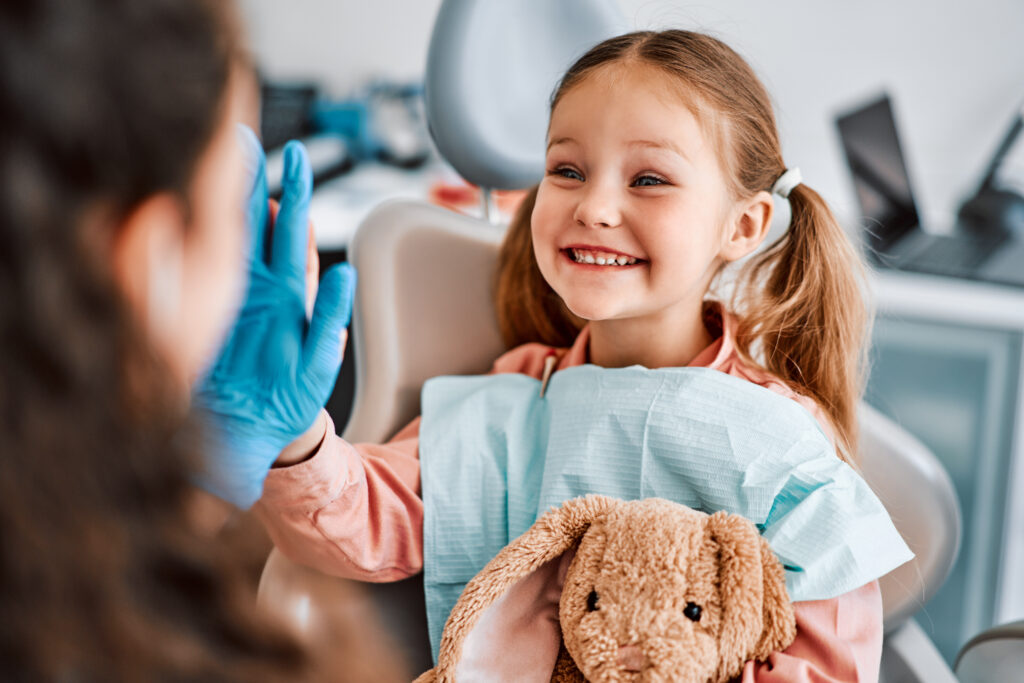
Oral conscious sedation is a prescribed medication taken by mouth that helps kids and anxious patients feel relaxed and drowsy during dental treatment while remaining awake and responsive. Unlike general anesthesia, your child can still hear and respond to the dentist’s voice. This safe and effective technique to alleviate fear and discomfort allows Dr. Culp and the Jungle Roots Children’s Dentistry & Orthodontics team, a family-run practice, to provide comfortable care for patients who might otherwise struggle with dental experiences.
Many parents feel uncertain when their child has dental anxiety. You want your little one to receive the care they need, but watching them feel anxious or overwhelmed is tough. Oral conscious sedation offers a gentle solution that turns stressful appointments into manageable ones, helping your family build a positive dental home from the very first chair-time.
This approach works well for young patients, kids with special healthcare needs, and anyone facing longer or more involved procedures. The medication creates a relaxed state where treatment can happen smoothly, often with little memory of the experience afterward. For parents who have tried everything to make appointments easier, sedation can feel like a breath of fresh air.
What Is Oral Conscious Sedation?
Oral conscious sedation is a form of minimal-to-moderate sedation given as a liquid or pill before a dental appointment. The medication helps your child feel calm, sleepy, and far less aware of the sounds, sensations, and time passing during treatment. Importantly, your child stays awake and able to respond to voices and gentle prompts throughout the appointment.
This technique sits between two other common comfort tools used in pediatric dentistry. It’s stronger than nitrous oxide (laughing gas) but lighter than IV sedation or general anesthesia. For many families, it hits the sweet spot: deep enough relaxation to make treatment possible, gentle enough that recovery happens at home the same day.
Who Developed This Approach?
Pediatric sedation protocols have been refined for decades by organizations like the American Academy of Pediatric Dentistry (AAPD) and the American Academy of Pediatrics (AAP). These guidelines outline medication choices, dosing rules, monitoring standards, and safety screenings that practices follow closely. Dr. Culp, a pediatric dentist, follows these established protocols when recommending and administering sedation.
How Does It Differ From Being “Knocked Out”?
A common worry among parents is whether their child will be unconscious. With oral conscious sedation, the answer is no. Your child enters a sleepy, dreamy state but can still cooperate, breathe on their own, and respond if something feels off. Many kids describe the feeling as “floaty” or “like a really good nap.” Most have only fuzzy memories, or no memory at all, of the actual procedure, which is a real gift for kids who have struggled with fear in the past.
How Oral Conscious Sedation Works
Oral conscious sedation works by using a carefully dosed medication that calms the nervous system and reduces anxiety. Your child takes the medication 30 to 60 minutes before treatment begins, and it gradually takes effect during the wait. Once relaxed, your child can receive dental care comfortably while a trained team monitors breathing, heart rate, and oxygen levels throughout the appointment.
Dr. Culp selects the specific medication based on your child’s age, weight, health history, and the planned procedure. Common drugs used for conscious sedation in dentistry include midazolam, hydroxyzine, and diazepam, each chosen for safety and effectiveness in pediatric patients.
Pediatric dosing follows strict weight-based calculations. Dr. Culp carefully determines the right amount for your child, following guidelines established by the American Academy of Pediatric Dentistry. This precision helps ensure your child gets enough medication to feel comfortable without over-sedation.
What Happens During the Appointment?
Once the medication takes effect, kids feel drowsy and relaxed. They may seem sleepy or a bit “floaty,” but they can still:
- Respond to simple questions and instructions
- Open their mouth when asked
- Communicate if something feels uncomfortable
- Breathe normally on their own
Trained team members continuously monitor vital signs throughout the procedure. This includes oxygen saturation, heart rate, and blood pressure. Someone is always watching these numbers to make sure everything stays within safe ranges.
How Are Sedation Methods Combined?
Oral conscious sedation in pediatric dentistry often works alongside other comfort measures. Many pediatric specialists pair the oral medication with:
- Nitrous oxide (laughing gas) for added relaxation
- Local anesthetic to numb the treatment area completely
- Distraction techniques like ceiling-mounted TVs or music
This layered approach helps your child stay comfortable from start to finish.
How Long Does Recovery Take?
Sedation effects typically last several hours after the appointment. Supervision is important during this window. Most kids feel back to normal by the end of the day, though some drowsiness may linger into the evening.
Plan for a quiet afternoon at home. No school, sports, or active play until the medication fully wears off.
What Are the Benefits of Oral Conscious Sedation?
Oral conscious sedation dentistry offers real advantages for families dealing with dental anxiety or challenging treatment needs. Here’s what makes this option valuable.
Does It Really Help With Fear and Anxiety?
Yes, and that’s one of its biggest strengths. Kids who feel very afraid of dental experiences often relax completely with sedation. The medication takes the edge off, allowing them to cooperate with treatment they might otherwise refuse. For families who have struggled through tearful appointments, this change can feel almost magical.
Sedation also lets the dentist complete more treatment in a single visit. Rather than spreading work across several anxiety-filled appointments, the dentist can address multiple needs in one sedated session. Fewer stressful trips, faster overall completion, happier kid.
Will My Child Remember the Procedure?
Most kids remember little or nothing about their sedated appointment. This “amnesia effect” helps prevent the buildup of negative dental memories that can create lifelong anxiety. Many parents tell us their child walks out asking when they can come back, which is a huge win.
A few more reasons families love this approach:
- No injections required for administration. Unlike IV sedation, oral conscious sedation involves simply swallowing a liquid or pill. For kids who fear pokes, that alone is a relief.
- Helps patients with sensory sensitivities. Kids who struggle with sounds, tastes, or textures in their mouths often tolerate dental work much better when sedated.
- Supports special needs patients. Kids with autism, ADHD, developmental delays, or other conditions may find dental experiences very difficult. Sedation provides a way to receive needed care without trauma.
Oral Conscious Sedation vs. Nitrous Oxide vs. IV Sedation
Choosing the right sedation level depends on your child’s specific needs. Here’s how the options compare:
| Sedation Type | Level | How Given | Onset | Duration | Recovery |
|---|---|---|---|---|---|
| Nitrous Oxide | Minimal | Inhaled through a mask | 3-5 minutes | During the procedure, only | Minutes; patient can drive |
| Oral Conscious Sedation | Minimal to Moderate | Swallowed medication | 30-60 minutes | Several hours | Same day; needs escort |
| IV Sedation | Moderate to Deep | Injection into the vein | Immediate | Varies; adjustable | Several hours; needs escort |
| General Anesthesia | Deep | IV or inhaled | Immediate | Until discontinued | Extended, often in a hospital setting |
When Does Each Option Work Best?
Nitrous oxide suits mildly anxious patients or short, simple procedures. Kids breathe normally through a small mask, feel giggly and relaxed, then return to normal within minutes after the gas stops. Great for routine cleanings or single fillings.
Oral conscious sedation drugs work well for moderate anxiety, longer appointments, or kids who need help staying still. The relaxation runs deeper than nitrous alone, and the memory-blocking effect helps build positive associations with dental care.
IV sedation provides the deepest office-based sedation. Medication levels can be adjusted in real time based on how a child responds. This option typically suits extensive treatment or patients who don’t respond well to oral medications.
General anesthesia involves complete unconsciousness and usually happens in a hospital or surgical center. Reserved for very young kids, extensive treatment needs, or patients who cannot safely receive care any other way.
The right choice depends on your child’s anxiety level, the procedure length, their age, and their health history. Dr. Culp talks through every option during your consultation to find the best fit for your family.
Cost Factors for Oral Conscious Sedation
Sedation costs typically range from per appointment, depending on the medication, dose, and length of monitoring required. Costs can vary, and knowing them helps you plan ahead so there are no surprises on appointment day.
What Affects the Price?
A few things shape the final fee, and it helps to know what to look for on your estimate:
- Medication type and dose: Different oral conscious sedation drugs have different costs, and larger doses (for bigger kids) cost more
- Procedure length: Longer appointments may require additional monitoring time
- Monitoring requirements: The trained staff and equipment needed to safely watch over your child add to the fee
- Geographic location: Costs vary by region and practice
Sedation typically appears as a separate line item on your treatment estimate, distinct from the dental procedure itself.
How Does Insurance Coverage Work?
Coverage for sedation varies widely between plans, so it pays to do a little homework upfront. A few things to keep in mind:
- Medical necessity documentation may help with approval
- Pediatric patients sometimes qualify for coverage that adults don’t
- Special needs diagnoses may support additional coverage
- Pre-authorization is often required
Ask your insurance company specifically about “dental sedation” or “conscious sedation” coverage before your appointment, and don’t be shy about asking for specifics.
How Can I Get a Clear Estimate?
Request a written estimate that breaks down all fees in plain language. This should include the sedation fee, monitoring fee, and all dental procedure costs. At Jungle Roots Children’s Dentistry & Orthodontics, the team provides clear cost information upfront so you can make informed decisions for your family without any guesswork.
Who Is a Good Candidate for Oral Conscious Sedation?
Not every child needs sedation, but for the right patients, it makes a real difference. Good candidates typically include:
- Kids with significant dental anxiety who cry, refuse to open their mouths, or have panic responses to dental settings
- Children who developed fear from past difficult appointments and now associate the dental chair with worry
- Patients needing extensive work, where completing everything in one sedated visit beats multiple anxious visits
- Kids with special healthcare needs, including autism spectrum disorder, sensory processing differences, or developmental delays
- Patients with strong gag reflexes that make routine dental work difficult or impossible
- Very young kids who cannot yet understand or cooperate with instructions
- Kids who struggle to sit still due to ADHD or simply being little
Who Should Consider Other Options?
Oral conscious sedation isn’t right for everyone. The following situations may call for different approaches:
- Certain medical conditions affecting breathing or heart function
- Medications that interact with sedation drugs
- Allergies to sedation medications
- Conditions affecting how the body processes medications
- Upper respiratory infections or congestion on the day of treatment
What Does the Screening Process Involve?
Before recommending sedation, Dr. Culp and the team conduct a thorough health screening. This includes reviewing your child’s:
- Complete medical history
- Current medications and supplements
- Allergies
- Previous sedation or anesthesia experiences
- Any breathing or airway concerns
This careful evaluation ensures sedation is safe and appropriate for your child’s specific situation, and it’s a step we never rush.
Frequently Asked Questions About Oral Conscious Sedation
Is oral conscious sedation safe for kids?
Yes, when given by trained providers following established guidelines. Pediatric specialists like Dr. Culp receive extensive training in pediatric sedation and follow protocols from the American Academy of Pediatric Dentistry. Continuous monitoring adds another layer of safety. Serious complications are rare when proper screening, dosing, and monitoring are followed.
Will my child be asleep during the procedure?
Your child will be drowsy and relaxed but not fully asleep. They can still hear voices and respond to simple instructions. Some kids do drift into a light snooze, but they can be easily roused. This differs from general anesthesia, where patients are completely unconscious.
How long does oral conscious sedation last?
Sedation effects typically last three to four hours after taking the medication, though this varies by child and medication used. Your little one may feel groggy or sleepy for several more hours afterward. Plan for a full day of rest, with normal activity resuming the following day.
What should my child eat or drink before sedation?
Fasting guidelines are essential for safety. Generally, no solid food for six to eight hours before the appointment, and no clear liquids for two to four hours before. The Jungle Roots Children’s Dentistry & Orthodontics team will give you specific instructions based on your child’s scheduled sedation time. Following these guidelines closely reduces the risk of complications.
What are the side effects or risks?
Common side effects include drowsiness, mild nausea, and occasional fussiness as the medication wears off. Some kids experience short-lived changes in behavior or mood. Serious risks are uncommon but can include allergic reactions or breathing difficulties, which is why continuous monitoring is standard. The pre-sedation health screening helps identify kids at higher risk.
When can my child return to school or normal activities?
Most pediatric specialists recommend keeping your child home from school on sedation day. They can typically head back to school and normal activities the next day. Skip sports, swimming, or activities requiring coordination until the medication has fully worn off, usually by the next morning.