What Is a Pediatric Dentist and Why Does Your Child Need One?
A pediatric dentist is a dental professional who completes two to three additional years of residency training beyond dental school, focused specifically on treating infants, kids, teenagers, and patients with special healthcare needs. Unlike general dentists who treat patients of all ages, these specialists dedicate their entire practice to the oral health of young patients. If you’re searching for a pediatric dentist in Phoenix, AZ, understanding this distinction can help you make a confident choice.
This specialized focus matters more than many parents realize. Kids aren’t simply small adults. Their teeth, jaws, and mouths are constantly developing and changing, which makes a real difference in how care is delivered. A board-certified pediatric dentist understands these growth patterns intimately and can spot potential issues before they become serious problems.
The American Dental Association recommends that kids have their first dental experience by age one or within six months of their first tooth coming in. This might seem early, but establishing a dental home during infancy sets the foundation for a lifetime of healthy smiles. Early visits allow the dentist to monitor tooth development, provide guidance on teething and oral hygiene, and help your child become comfortable in a dental setting before any treatment is actually needed.
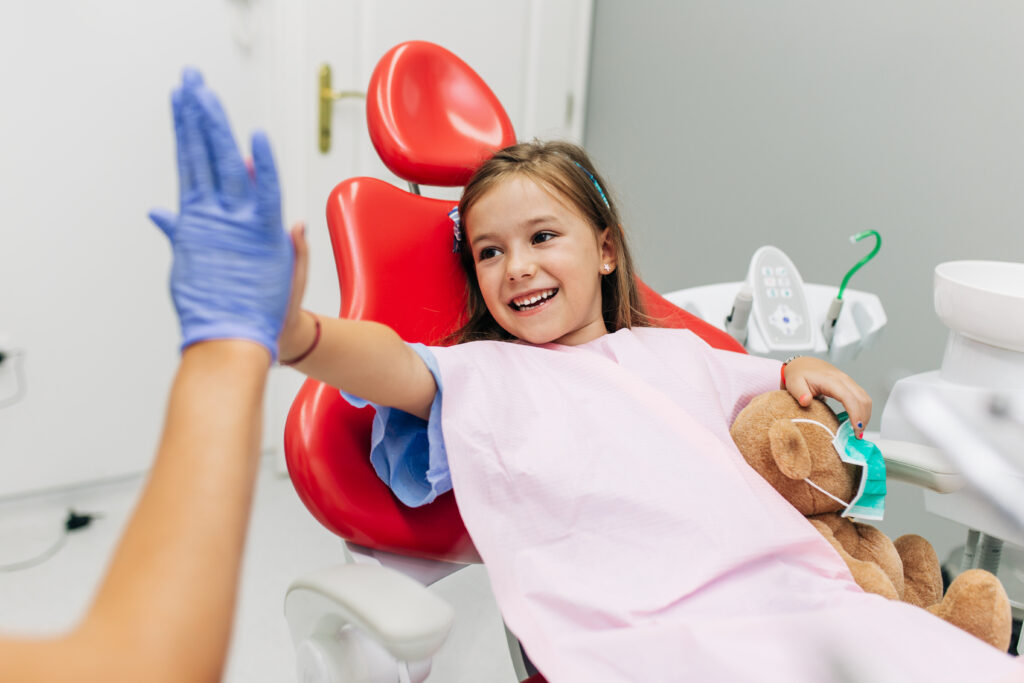
Pediatric dental offices look and feel different from traditional dental practices. You’ll find colorful kid-friendly offices, child-sized furniture, and entertainment options designed to distract and delight young patients. At Jungle Roots Children’s Dentistry & Orthodontics, the jungle-themed adventure begins the moment families walk through the door. This intentional design helps reduce anxiety and turns what could be a stressful experience into something kids actually look forward to.
Beyond the fun atmosphere, pediatric dental specialists receive extensive training in behavior management techniques. They know how to communicate with kids at different developmental stages, how to explain procedures in non-threatening ways, and how to help anxious kids feel safe. This expertise is especially valuable when treating kids who may be nervous, have had negative dental experiences, or have special healthcare needs that require additional accommodations.
Providers like Dr. John Culp, a board-certified pediatric dentist, complete two to three years of specialty training after dental school. This residency covers child psychology, growth and development, safe and effective techniques to alleviate fear and discomfort, and the treatment of complex dental conditions in young patients. Choosing a specialist like Dr. Culp means choosing someone who has dedicated their career to understanding and caring for kids.

What to Expect at Your Child’s Pediatric Dental Visit
A typical pediatric dental visit includes scheduling and intake, a warm welcome, a gentle exam, professional cleaning with preventive treatments, and personalized home care guidance. Knowing what happens during each step can help both you and your child feel more prepared. Here’s a closer look at what a typical appointment involves.
Scheduling and Intake
Your experience begins when you call to schedule. The office team will ask about your child’s medical history, any current dental concerns, and your insurance information. Many pediatric dental offices accept various insurance plans, and some accept Medicaid or state insurance programs for families who qualify. Completing paperwork ahead of time, often available online, makes check-in smoother and gives you more time to help your child settle in.
The First Impression
First impressions matter, especially for young kids. A good pediatric dental office prioritizes making kids feel comfortable from the start. Staff members greet families warmly and often walk first-time patients through the space so they can see where they’ll be sitting and what the equipment looks like. At Jungle Roots Children’s Dentistry & Orthodontics, first-time families get to tour the jungle, which helps kids see that there’s nothing to fear. Watching other kids in the office having positive experiences can also be reassuring.
Your Child’s Dental Exam
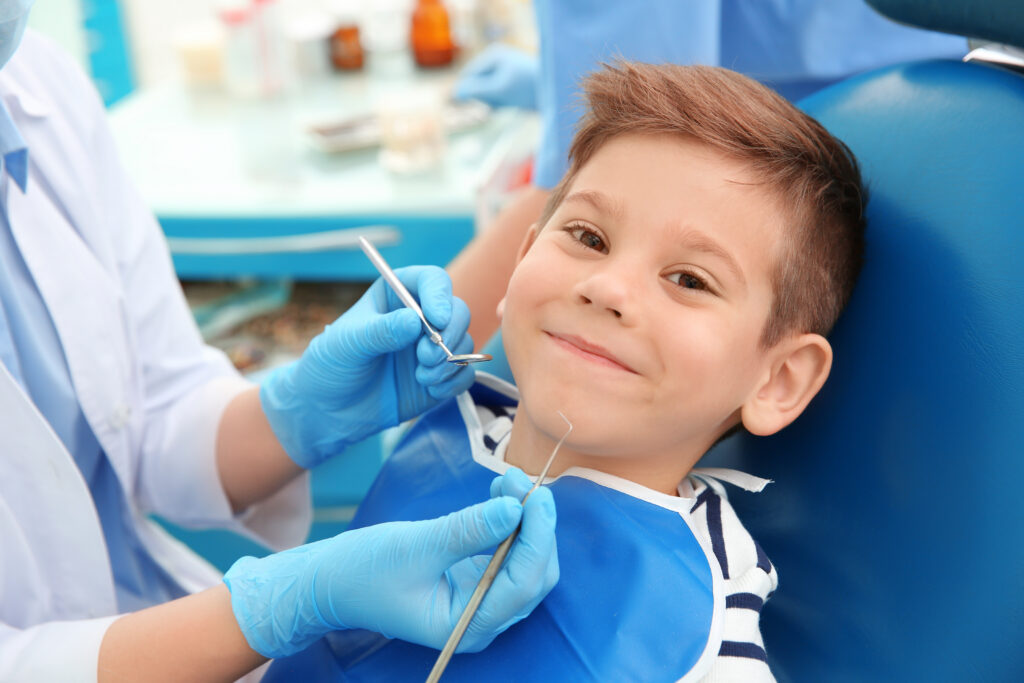
The dental examination itself is thorough but gentle. The dentist will look at your child’s teeth, gums, jaw, and bite alignment. For infants and toddlers, this might happen with your child sitting in your lap. Older kids typically sit in the dental chair, which may be decorated or have a TV screen overhead for distraction. The dentist checks for cavities, monitors how teeth are coming in, and assesses overall oral development.
Preventive Treatments and Cleaning
After the examination, a dental hygienist will clean your child’s teeth. This involves removing plaque buildup and polishing the tooth surfaces. Depending on your child’s age and cavity risk, the dentist may recommend fluoride treatment to strengthen enamel or dental sealants to protect the chewing surfaces of back teeth. These preventive measures can significantly reduce the likelihood of cavities. Even small steps here pay off over time.
Home Care Guidance Before You Leave
Before you leave, the dentist will discuss their findings with you. If any treatment is needed, they’ll explain the options and help you understand the next steps. You’ll also receive personalized recommendations for home care, including brushing techniques, flossing tips, and dietary advice. This guidance helps you support your child’s oral health between visits.
Most pediatric dental specialists recommend checkups every six months, though some kids may need more frequent visits based on their individual needs. Establishing this regular routine early helps your child view dental experiences as a normal part of staying healthy.
Benefits of Choosing a Pediatric Dentist for Your Child
Choosing a board-certified pediatric dentist offers specialized child behavior training, early detection of orthodontic issues, reduced dental anxiety through kid-friendly environments, complete care all under one roof, and habit-building during critical developmental years. Here’s why each of these benefits matters for your family.
Specialized Training Makes a Real Difference
Pediatric dental specialists spend years learning how to work effectively with kids. They understand that a three-year-old responds differently than a ten-year-old, and they adjust their communication style accordingly. This training includes compassionate and calming techniques for helping anxious kids relax, strategies for managing behavior during treatment, and approaches for working with kids who have special needs. The depth of this training simply isn’t available in a general dental program. It’s one of the biggest reasons Phoenix, AZ, families seek out a specialist.
Catching Problems Early
Because pediatric dentists focus exclusively on growing patients, they’re highly skilled at identifying problems early. They can spot the early signs of cavities, detect orthodontic issues like crowding or bite problems, and recognize developmental concerns that might otherwise go unnoticed. Early intervention often means simpler, less invasive treatment. A small issue caught today can prevent a bigger problem tomorrow.
Kid-Friendly Environments Reduce Dental Anxiety
Fear of the dentist is common among kids, but it doesn’t have to define their experience. Pediatric dental offices are specifically designed to put kids at ease. From the decor to the equipment to the way staff members interact with young patients, everything is tailored to minimize anxiety. Kids who have positive early dental experiences are more likely to maintain good oral health habits as adults. That early comfort builds lasting confidence.
Why Having Everything in One Place Matters
Many family-run practices offer everything from routine cleanings to fillings, crowns, and even sedation dentistry for kids who need it. Some practices, like Jungle Roots Children’s Dentistry & Orthodontics, also provide ortho care. Having all under one roof means your child can receive consistent care from a team that knows them well, without the hassle of coordinating between multiple offices. Families appreciate the convenience, and kids benefit from the familiarity.
Building Habits That Last
The dental habits kids develop early tend to stick with them. When kids have positive experiences at the dentist and understand why oral care matters, they’re more likely to brush and floss regularly, make healthy food choices, and continue seeing a dentist throughout their lives. A pediatric dental specialist helps build these habits during the years that matter most.
According to the American Academy of Pediatric Dentistry, establishing a dental home by age one helps ensure kids receive appropriate preventive and routine oral healthcare. This early relationship between child, parent, and dental provider creates a framework for lifelong oral health.
Pediatric Dentist vs. General Dentist: Which Is Right for Your Child?
Many parents wonder whether their child really needs a specialist or if a family dentist will do. Both options can work, but there are important differences to consider.
| Factor | Pediatric Dentist | General Dentist |
|---|---|---|
| Training | 2-3 years additional residency focused on kids | General dental education for all ages |
| Patient Age Range | Birth through adolescence | All ages, from kids to seniors |
| Office Environment | Designed specifically for kids | Typically designed for adult patients |
| Behavior Management | Extensive specialized training | Limited pediatric-specific training |
| Sedation Options | Trained in pediatric sedation techniques | May or may not offer pediatric sedation |
| Special Needs Care | Specialized training and accommodations | Varies by practice |
| Equipment | Child-sized instruments and chairs | Standard adult-sized equipment |
How Does Training Differ Between the Two?
After completing dental school, pediatric dental specialists enter a residency program lasting two to three years. This training takes place in hospital settings and specialized clinics where they treat kids with many different dental needs, including those with complex medical conditions. They learn advanced techniques for managing behavior, administering sedation safely, and treating dental emergencies in kids.
General dentists, by contrast, receive some pediatric training during dental school but don’t specialize in treating young patients. Many general dentists are wonderful with kids and provide excellent care. They may not, however, have the same depth of experience with pediatric-specific issues. Dr. Culp, a board-certified pediatric dentist, brings that focused expertise to every appointment at his Phoenix-area practice.
When Is a Pediatric Dentist the Better Choice?
Consider a pediatric dental specialist if your child:
- Is under age three
- Has significant dental anxiety
- Has special healthcare needs
- Needs safe and effective techniques to alleviate fear and discomfort during dental procedures
- Has complex dental issues requiring specialized care
- Has had negative experiences at a general dental office
When Might a General Dentist Work?
A general dentist may be appropriate if:
- Your child is older and comfortable in dental settings
- You prefer the convenience of the whole family seeing one dentist
- Your child has straightforward dental needs
- Your general dentist has significant experience with kids
For families seeking specialized pediatric care in the Phoenix, AZ, area, including nearby communities like Scottsdale and Goodyear, choosing a board-certified pediatric dentist ensures your child receives care from someone whose entire practice is devoted to young patients.
How Much Does a Pediatric Dentist Cost?
Understanding the costs associated with pediatric dental care helps you plan and budget for your child’s oral health needs. Costs can vary based on your location, the specific practice, and the type of treatment your child needs. Here’s a general overview of what families in the Phoenix, AZ, area can expect.
What Factors Affect the Cost of Pediatric Dental Care?
Several factors can influence what you’ll pay for your child’s dental care. The complexity of the treatment plays a role. A simple cleaning costs less than a filling, and a filling costs less than a crown. Your child’s age and cooperation level can also affect costs, since younger or more anxious kids may need additional time or sedation. Geographic location matters too. Practices in different parts of the Phoenix metro area may have slightly different fee structures. Finally, the type of dental insurance you carry, or whether you have coverage at all, will shape your out-of-pocket expenses.
Does Insurance or Medicaid Cover Pediatric Dental Care?
Many pediatric dentists accept private dental insurance, and preventive care is often covered at 100% under most plans. This means your child’s checkups, cleanings, fluoride treatments, and sealants may cost you nothing out of pocket.
For families enrolled in Medicaid or state insurance programs, dental coverage for kids is typically included. Many pediatric dental offices accept these programs, though it’s always wise to verify coverage with the specific practice before scheduling. State programs generally cover preventive services, basic restorative care, and emergency dental treatment for eligible kids. If you’re looking for a pediatric dentist near you that accepts Medicaid, calling the office directly is the fastest way to confirm.
How Can You Maximize Your Insurance Benefits?
To get the most from your dental insurance, schedule preventive visits early in the plan year so you can use your full benefits before they reset. Ask the office staff to verify your coverage and provide a breakdown of what’s covered before treatment begins. Many plans cover two preventive visits per year at no cost to you, so take advantage of both. If your child needs additional treatment, the office can often submit a pre-authorization to your insurance company so you know what to expect financially.
Why Is Prevention Worth the Investment?
Investing in regular preventive care saves money over time. Catching a small cavity early means a simple filling rather than a crown or more extensive treatment later. Dental sealants can prevent cavities from forming in the first place. The cost of prevention is almost always less than the cost of treatment. Most families find that math easy to appreciate.
Jungle Roots Children’s Dentistry & Orthodontics offers online payment options through BalanceCollect, making it easier for families to manage dental expenses. Ask about payment plans or financing options if cost is a concern.
When Should Your Child See a Pediatric Dentist?
Knowing when to schedule dental visits helps ensure your child receives timely care throughout their development.
When Should Your Child Have Their First Dental Visit?
The American Academy of Pediatric Dentistry recommends that kids see a dentist by their first birthday or within six months of their first tooth erupting, whichever comes first. This early dental experience establishes a baseline for your child’s oral health and gives you guidance on caring for those first teeth. Don’t wait until there’s a problem. Starting early sets the tone for years of positive experiences.
How Often Should Kids Have Regular Checkups?
After the initial dental experience, most kids should see their dentist every six months. These regular checkups allow the team to:
- Monitor tooth development and how new teeth are erupting
- Check for cavities and early signs of decay
- Assess bite alignment and jaw growth, and provide professional cleaning
- Apply preventive treatments as needed
- Update you on home care recommendations
Keeping a consistent schedule helps your child see dental visits as routine, not something to worry about.
What Signs Mean Your Child Should See a Dentist Sooner?
Don’t wait for the next scheduled appointment if your child experiences:
- Tooth sensitivity or discomfort
- Swollen or bleeding gums
- White spots or discoloration on teeth
- Difficulty chewing or eating
- A knocked-out or broken tooth
- Persistent thumb-sucking or pacifier use beyond age three
- Bad breath that doesn’t improve with brushing
How Do Pediatric Dentists Support Kids with Special Healthcare Needs?
Kids with developmental, physical, or medical conditions often benefit from the specialized care a pediatric dental specialist provides. Dr. Culp, Dr. Olsen, and Dr. Brady at Jungle Roots Children’s Dentistry & Orthodontics all have training in accommodating various needs and creating positive experiences for all kids. If your child has special healthcare needs, look for a practice that explicitly welcomes and has experience with similar patients.
What Age Range Do Pediatric Dentists Treat?
Pediatric dental specialists typically treat patients from infancy through late adolescence, usually around age 18. Some patients with special needs may continue seeing their pediatric dentist into adulthood if that arrangement works best for their care. There’s no rush to transition. Your child’s dentist will let you know when the time is right.
What Should You Do in a Dental Emergency?
Accidents happen, especially with active kids. If your child knocks out a permanent tooth, chips or breaks a tooth, or experiences significant trauma to the mouth, contact a pediatric dental specialist immediately. Quick action can sometimes save a knocked-out tooth and prevent complications. Don’t wait, even if you’re unsure about the severity. Most pediatric dental offices in the Phoenix, AZ, area have protocols for handling urgent calls.
Frequently Asked Questions About Pediatric Dentists
What age should my child first see a pediatric dentist?
Your child should have their first dental experience by age one or within six months of their first tooth appearing. This early dental experience helps establish good oral health habits from the start and allows the dentist to check for any early concerns. Even though baby teeth eventually fall out, they play important roles in speech development, nutrition, and holding space for permanent teeth.
Do pediatric dentists accept Medicaid or state insurance programs?
Many pediatric dental practices accept Medicaid and state insurance programs. Coverage typically includes preventive care, basic restorative treatments, and emergency dental services for eligible kids. Since acceptance varies by practice, call ahead to confirm that the office you’re considering participates in your specific program. Families in Phoenix, AZ, and surrounding areas can often find pediatric dentists who accept these plans.
How often should my child visit the dentist?
Most kids should have a dental experience every six months for routine checkups and cleanings. Some kids with higher cavity risk or ongoing dental concerns may need more frequent visits. Your child’s dentist will recommend a schedule based on your child’s individual needs and oral health status.
Is sedation dentistry safe for kids?
When administered by trained pediatric dental specialists, sedation dentistry is safe for kids, with protocols designed specifically for young patients. Sedation can help kids who have significant anxiety, need extensive treatment, or have difficulty sitting still for dental procedures. Dr. Culp, DDS, board-certified pediatric dentist, and the team at Jungle Roots Children’s Dentistry & Orthodontics in Phoenix, AZ, prioritize your child’s comfort and safety during every dental experience.
What’s the difference between a pediatric dentist and an orthodontist?
Both specialists focus on kids, but they address different aspects of oral health. A pediatric dental specialist provides general dental care, including cleanings, fillings, and preventive treatments. An orthodontist, like Dr. Gregory Olsen, specializes in correcting tooth alignment and bite issues using braces, aligners, and other appliances. Some practices offer both pediatric dentistry and ortho care, making it convenient to receive complete care for every smile in one location.
Does my child need dental sealants?
Dental sealants are thin protective coatings applied to the chewing surfaces of back teeth, where cavities most commonly form. The American Dental Association recommends sealants for kids once their permanent molars come in, typically around ages six and twelve. Sealants create a barrier that keeps food particles and bacteria from settling into the grooves of these teeth. Your child’s dentist can let you know if sealants make sense based on their cavity risk and how their teeth are shaped.
What should I do if my child is afraid of the dentist?
Dental anxiety is common and manageable. Choose a pediatric dental specialist whose office is designed to be welcoming and non-threatening for kids. Talk positively about dental visits at home without using words that might cause fear. Many pediatric dental offices offer a walk-through before the first appointment so kids can become familiar with the environment. If anxiety is severe, discuss safe and effective techniques to alleviate fear and discomfort with your child’s dentist.
How do I find a pediatric dentist near me?
Start by asking your pediatrician for a referral, or search online for a pediatric dentist in your area. Look for a practice that is family-run, experienced with kids of all ages, and offers the services your child needs. Reading online reviews from other parents can also help you get a sense of the office culture and how the team interacts with young patients. Jungle Roots Children’s Dentistry & Orthodontics has more information about what to look for in a kids’ dental practice.
Jungle Roots Children’s Dentistry & Orthodontics has been providing award-winning pediatric dental & ortho care since 1994, earning recognition as a top dentist, 15 years running. Family-run, fun, and trusted, the practice welcomes families looking for a dental home where their kids feel comfortable and cared for. Dr. Culp, Dr. Olsen, and Dr. Brady are here to support your child’s smile from that very first tooth through adolescence. Proudly caring for a second generation of patients, the team invites you to learn more about what makes Jungle Roots a place kids love to visit.